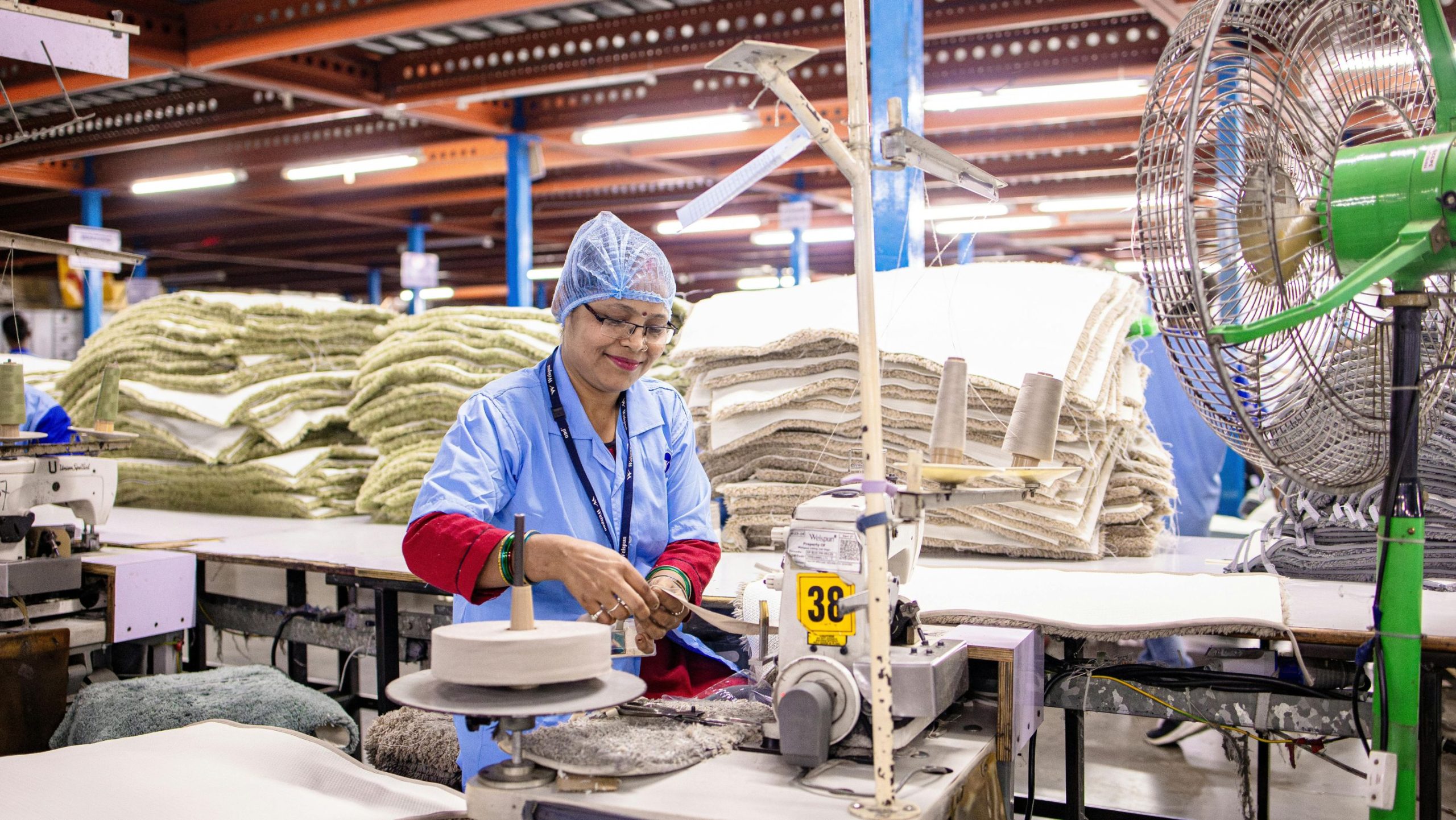
The Manufacturing Institute, in collaboration with Rockwell Automation and PTC, has published a forward-looking study identifying the evolving skill demands in manufacturing over the next 5–10 years. As the sector undergoes digital transformation—and sectors like electric vehicles, semiconductors, pharmaceuticals, and logistics expand—workers must acquire more advanced data and technical skills. However, the report also emphasises that soft skills remain essential even in high-tech environments.
Key findings include:
- Advanced technical skills(e.g., simulation, software, digital tools) are increasingly critical, with a 75 % rise in simulation and software proficiency needed in roles such as data scientists, engineers, and maintenance technicians.
- Soft skills—including communication, problem-solving, collaboration, adaptability, and attention to detail—remain in high demand, particularly as processes become more automated and complex.
- The current skills gap—exacerbated by retiring workers and a tight labor market—threatens productivity and innovation, with as many as half of new positions potentially remaining unfilled.
The report recommends manufacturers invest in ongoing training, partnerships with educational institutions, and continuous upskilling programs to bridge these gaps.
Relevance to the Project SoftSkills4Mfg
The findings strongly support the SoftSkills4Mfg initiative, which focuses on developing soft skills tailored to the manufacturing context:
- While modern factories require advanced technical and digital skills, strong interpersonal and cognitive abilities remain crucial. This aligns perfectly with the SoftSkills4Mfg framework, which combines soft and digital competencies.
- Industry demand for problem-solving, adaptability, and teamworkunderscores the value of SoftSkills4Mfg’s practical, interactive modules that promote real-world learning and 21st-century skill development.
- Faced with a projected shortage of qualified workers, SoftSkills4Mfg’s co-created curriculum—with input from industry partners and VET providers—can help close the skills gap by equipping learners with both technical understanding and essential soft competencies.
- The report’s call for continuous learning echoes SoftSkills4Mfg’s modular, flexible design, which supports ongoing professional development and adaptability across the labour market.
In conclusion, this report confirms a dual-skills future where digital expertise and soft skills go hand-in-hand. SoftSkills4Mfg’s goals—to embed these competencies in vocational education and training—directly respond to current industry needs, making it a timely and valuable contribution to modern manufacturing workforce development.
Sources:
businessinsider.com+7themanufacturinginstitute.org+7nam.org+7.
themanufacturinginstitute.orgthemanufacturinginstitute.org+2investopedia.com+2manufacturingskillsinstitute.org+2.